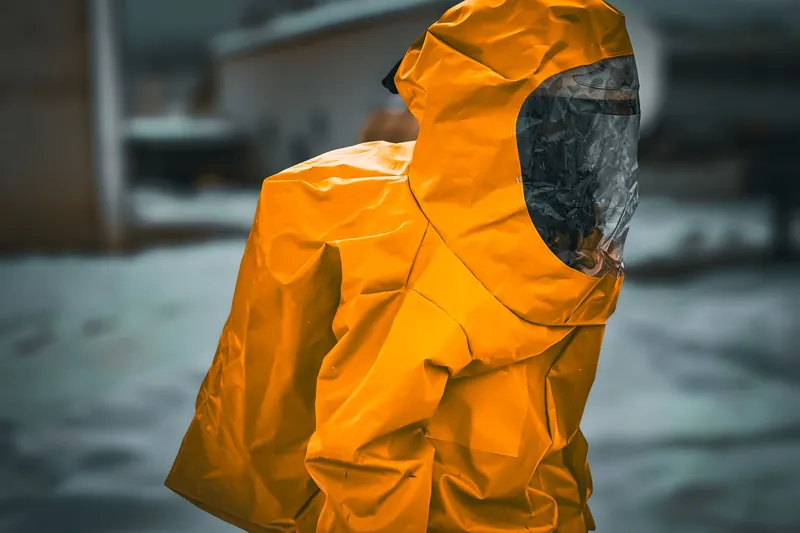
Biohazard Cleanup
Any property receives disinfection after removal of infectious materials, including bodily fluids and blood.
See biohazard cleanupKeep everyone away if blood, sewage, bodily fluids or a different biological hazard has left the space unsafe. You can get clear guidance immediately, but cleanup must wait until police or any other officials involved have released the area.
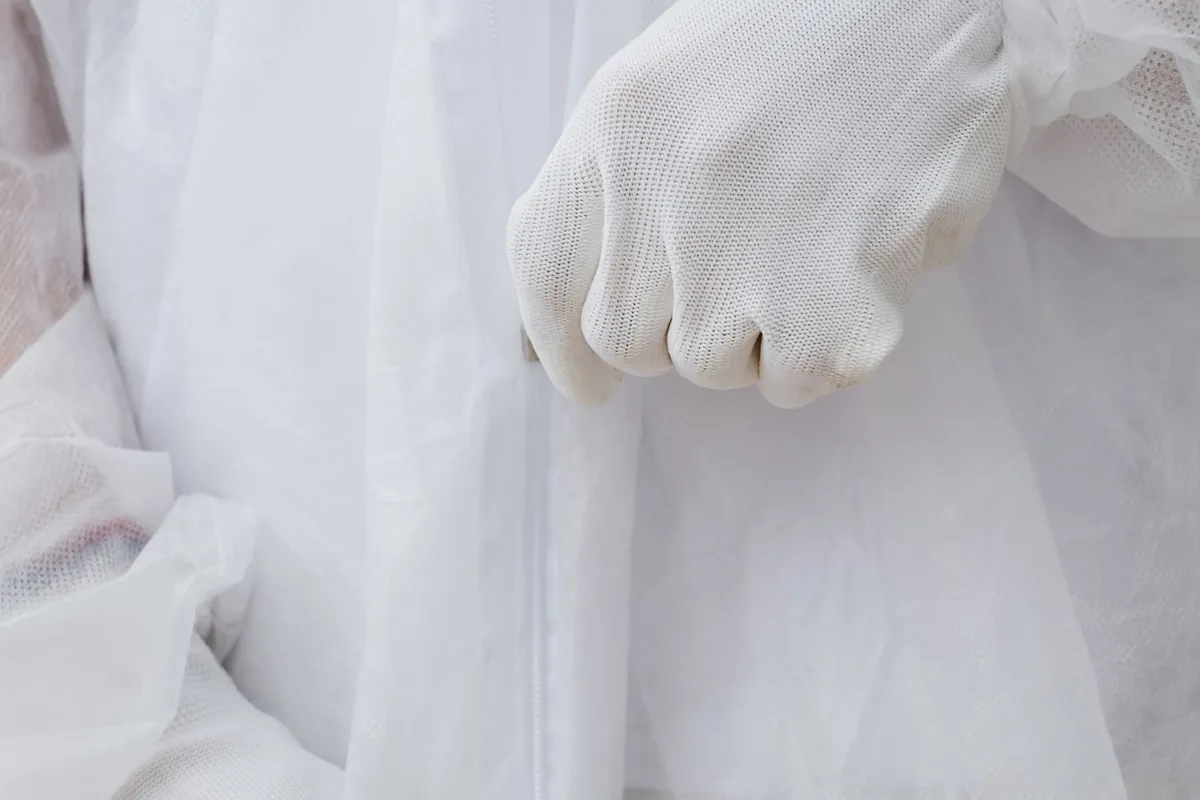
Emergency biohazard cleanup urgently contains biological contamination before its removal, cleaning and disinfection. It covers human waste, bodily fluids, blood and similar hazards that could cause injury or illness through exposure.
Emergency cleanup may be necessary after an unattended death or crime scene, as well as a trauma, accident, sewage backup or substantial blood spill. The initial priority is stopping biological contamination from spreading beyond the affected space. Technicians locate the impact, establish isolation and organize a safe order for each cleanup task.
Removing what you can see is only ordinary cleaning. Remediation also calls for protective equipment, cautious removal of contaminated materials and cleaning each surface. An EPA-registered disinfectant is then used for all of its label contact time. The remaining work includes hazardous waste packaging, odor treatment and final inspection, with a clean space moving toward normal use as the goal.
Crews arrive in unmarked vehicles. Privacy around the work zone can be maintained from neighbors, guests and clean sections of your property.
You can report the event at any hour, receive safety directions right away and have entry, official release and cleanup needs reviewed.
You receive a cleanup process explanation covering planned cleaning, possible material removal and cost factors before work begins.
You can use images, project details and waste documentation to describe biohazard remediation to your property manager or insurance company.
You may need emergency biohazard cleaning if biological material poses a serious health danger or may move into other parts of a house, workplace or vehicle. These are common examples:
Fluid cleanup, odor control and careful handling of nearby possessions may be needed when time passed before a death was found.
The scene must be released by law enforcement after evidence collection ends before cleanup starts.
Following a suicide, accident or violent event, affected areas can include one room or several and contain bodily fluids and damaged materials.
On walls, furniture or flooring, blood may soak into porous layers and joints. Prevent anyone from entering, and avoid stepping in the spill.
Begin by keeping anyone from making contact or carrying contamination elsewhere. Follow these steps as you arrange for professional cleanup:
Call (888) 440-9227Published guides do not split out emergency biohazard cleanup. Looking at general biohazard work, Fixr reports a national range of $3,000 to $5,000 for typical jobs. It lists smaller jobs near $1,500 and large jobs at $25,000 or more. These are not emergency quotes. The final price follows the assessment of your property.
These ranges come from published national cost guides, not from a site visit. After an on-site assessment, the price for your property is determined and shared with you before cleanup begins.
Ask about cost: (888) 440-9227Biohazard cleanup may be covered by certain homeowners, commercial or renters policies after a sudden event that qualifies for coverage. The policy terms, cause, deductible and limits determine whether coverage applies.
Michigan's Crime Victim Compensation program, run through the Michigan Department of Health and Human Services, lists crime scene cleanup among its available benefits. Insurance is usually checked first.
Keep the claim number, scene release, photos, cleanup scope, invoices and waste records. Before cleanup alters the area, find out which records your adjuster needs.
A tenant should notify the landlord or property manager. Responsibility can depend on the cause, lease, policy and location of the contamination.
When contacting the insurance company, describe what occurred and confirm whether cleaning, removal, odor treatment and future repairs are covered by the claim.
The emergency response follows a controlled order so contaminated material does not move into clean areas. Every situation is different, but the cleanup process usually includes these steps:
Cleanup technicians determine contamination type and map the affected area, then record materials, access restrictions and urgent safety issues.
Clean spaces are isolated from the work area. Crews select personal protection based on the job duties and type of exposure.
Contaminated debris and fluids are gathered in a way that limits their spread. Items that cannot be thoroughly cleaned are carefully removed section by section.
Crews clear away visible contamination before applying disinfectant. This cleaning step lets the disinfectant reach the surface instead of sitting on debris.
Surfaces suitable for cleaning stay wet with an EPA-registered disinfectant for all of the contact time listed on its label.
Medical or regulated waste requirements call for contaminated materials and sharps to travel in proper sealed containers.
Once source material is gone, suitable treatments such as air scrubbers can address particles and odor within the space and connected air routes.
The affected area is inspected for any contamination that remains. Project details, photographs and waste documentation can help property owners explain the work to insurance companies.
Call any hour. An emergency 24/7 biohazard cleanup specialist answers, explains the steps and agrees a start time with you.
Blood, sharps, sewage and body fluids may pose a serious danger to health. A dry appearance or small affected space does not remove that risk.
Carpet, padding, subfloors, walls and furnishings can absorb fluids, which may also run behind baseboards. Cleaning only what you see might leave contamination underneath.
A sudden biohazard can be upsetting, especially after a death or traumatic event. Ask someone you trust to manage access while you remain away from the area.
Blood may carry hepatitis B, hepatitis C or HIV. The CDC says hepatitis B can survive on surfaces for at least seven days, so dried blood still requires care.
Can you clean it yourself? Cleaning a few drops of fresh blood from non-porous, hard material may be possible with single-use gloves and disinfectant registered by the EPA, applied for the full labeled contact time. Seek professional cleanup if the source or full spill cannot be identified, or when sharps or porous materials are involved.
If a surface is accessible and allows full cleaning and disinfection, it can be kept. A porous item must be removed once contamination has soaked past the point where cleaning will work.
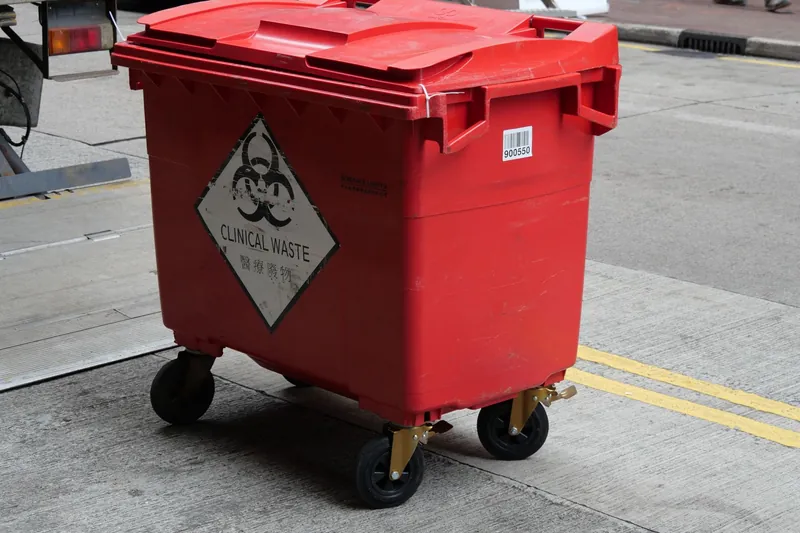
When employees could contact blood, the OSHA Bloodborne Pathogens Standard requires workplace measures for exposure control, protective equipment, training and associated procedures.
A disinfectant must be suitable for the target pathogen and surface. Surface moisture is maintained for all of the contact time shown on the label.
Michigan treats these materials as potentially infectious medical waste. The Department of Environment, Great Lakes, and Energy enforces rules on handling, storage, treatment and disposal, so it cannot go in household trash.
Michigan has no statewide medical examiner. Each county uses an appointed county medical examiner, a physician, to investigate violent or unexpected deaths. Cleanup starts after police or the medical examiner release the scene.
There is no fixed cleanup time. The schedule depends on the type of contamination, the number of affected areas, the materials involved, whether fluids reached hidden layers and when the scene is released.
The full emergency 24/7 biohazard cleanup guide covers what is cleaned or removed, odor and air quality work, and the rules that apply in your state.
Read the full emergency 24/7 biohazard cleanup guideLocal housing, population and access details can shape containment, access and cleanup planning.
Because 35.7% of households rent, crews may need building approval before removing contaminated carpet, drywall, or other fixed materials.
The 1969 median year matters during odor work because cabinets, wall cavities, and floor layers can hold the source.
Because 37.2% of older residents live alone, neighbors and family contacts can play an important role in noticing unusual silence.
Single-family homes represent 68.4% of housing in Riverview, creating a mix of detached properties and buildings with shared spaces.
You can ask about cleanup in nearby communities and ZIP codes during the call.
Any property receives disinfection after removal of infectious materials, including bodily fluids and blood.
See biohazard cleanup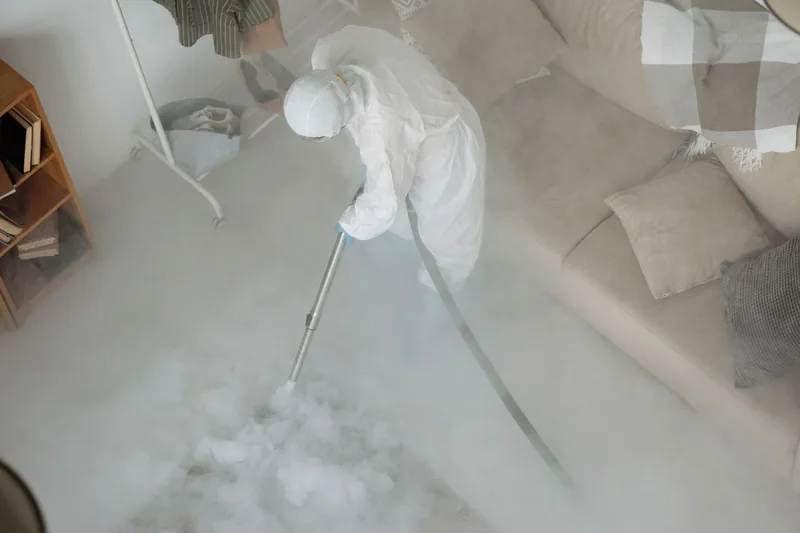
Full decontamination of rooms, surfaces and air after infectious or hazardous exposure.
See biohazard decontamination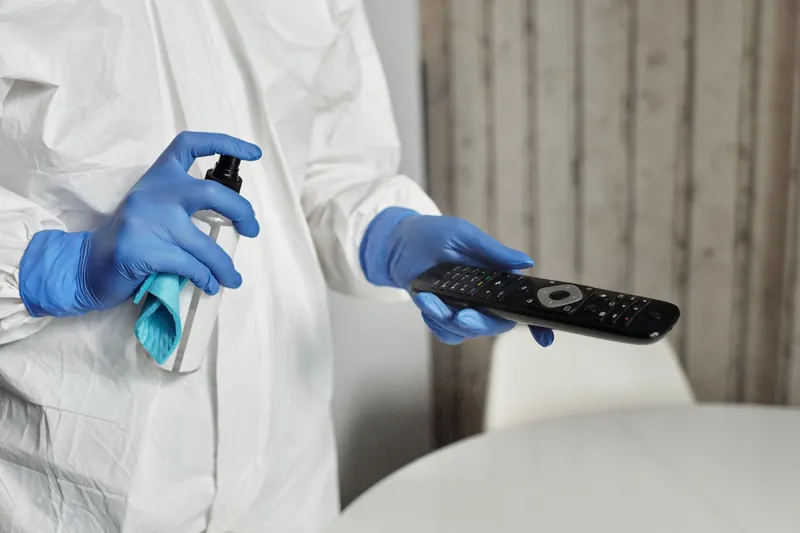
Contamination is cleared through biological remediation, returning the space to safe use.
See biohazard remediation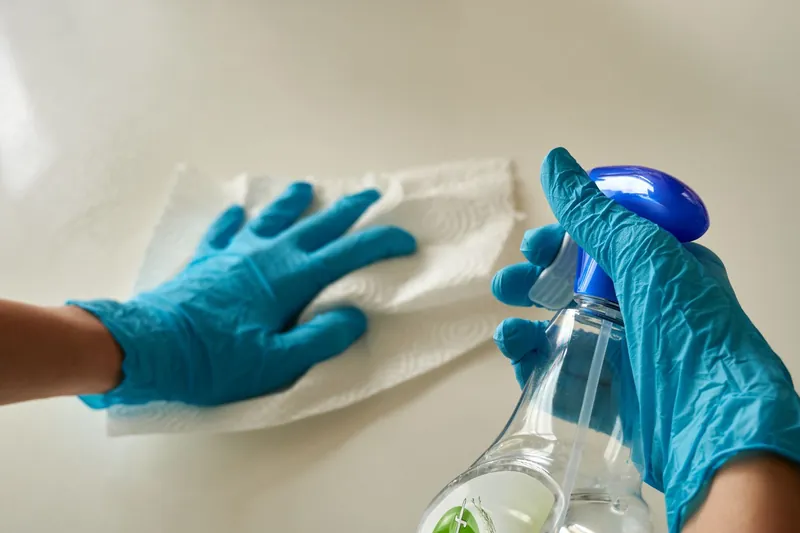
Carpet, solid floors, walls and furnishings receive blood cleanup that includes safe disposal.
See blood cleanup
Trauma scene cleanup addresses the aftermath of accidents, injuries and violent incidents.
See trauma scene cleanup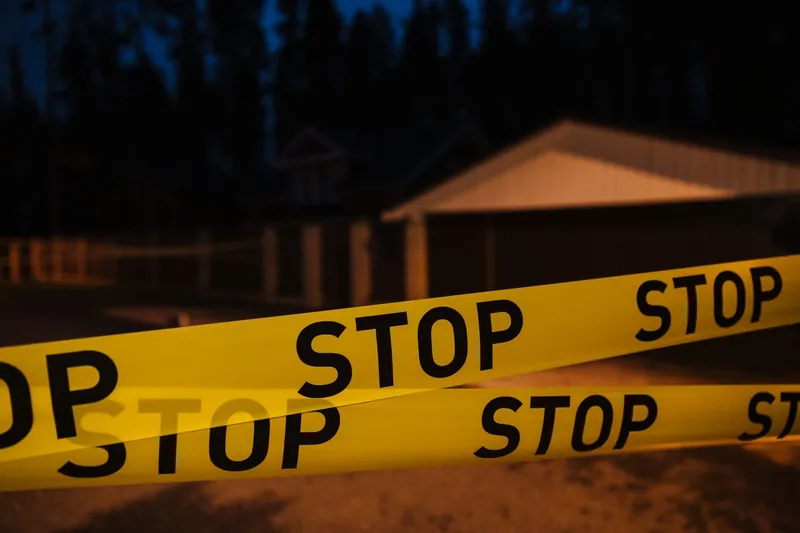
Crime scene cleaning after police release the property, from blood to odor.
See crime scene cleanup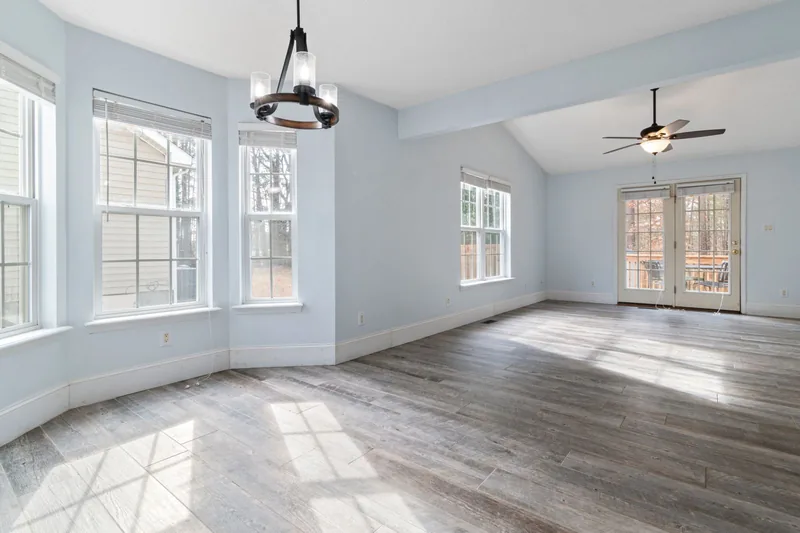
When a death remains undiscovered for days, cleanup addresses decomposition and controls odors.
See unattended death cleanup
Sewage cleanup removes Category 3 black water from raw sewage, then disinfects and dries the area.
See raw sewage cleanupIt might. Your policy language, coverage limits, deductible, exclusions and reason for the incident determine what may be covered. Contact the insurance company and ask about biohazard cleanup, material removal, odor treatment and restoration. Keep the claim number, photos, scene release, scope, invoices and waste records.
Timing is based on what contamination exists, which materials and rooms are affected, and if fluid has reached walls, furniture or areas beneath flooring. A small hard-surface area may take one work period. The area might need more than one stage to become ready for restoration if work includes porous material removal, odor control or many rooms.
Step away, contact 911 for anyone requiring medical care and keep others out. Do not touch the blood or sharps, wait until law enforcement releases a controlled area, follow your workplace reporting process for exposure and arrange cleaning. Avoid crossing the affected area or trying to clean it with household methods.
Yes, biohazard cleanup can address odor caused by the scene. Removing the source is the first step, since adding scent does not resolve the underlying problem. Once contaminated materials have been removed or cleaned, appropriate air treatment can reduce residual odor. Cleanup can involve examining adjacent rooms and HVAC openings for paths that carried affected air.
Emergency responders, law enforcement and medical examiners complete their work without cleaning the affected property. A family member, property owner, landlord or other accountable party organizes death cleanup once the scene has been released. A professional cleanup team can remove contamination, disinfect surfaces, treat odor and document the work.
Emergency biohazard cleanup involves urgent cleaning and disinfection where biological material such as blood, bodily fluids, sewage or human waste has affected property. The process involves odor treatment, controlled waste disposal, area containment, surface disinfection and removal of materials that are not cleanable. Police or other officials must release a controlled scene first.
You can request respectful, discreet emergency 24/7 biohazard cleanup 24 hours a day, and crews use unmarked vehicles.